
Technology for Peace: Innovations in Resolving Global Conflicts
In an era defined by rapid technological advancements, the potential for technology to exacerbate conflicts is well-documented. However, an emerging field known as “peace technology” is harnessing these same innovations to foster understanding, prevent violence, and resolve conflicts more effectively. From digital peacebuilding initiatives to the ethical considerations surrounding humanitarian technology, this article explores how peace technology is revolutionizing conflict resolution and shaping a more peaceful world.
Digital Peacebuilding: Connecting Communities and Fostering Dialogue
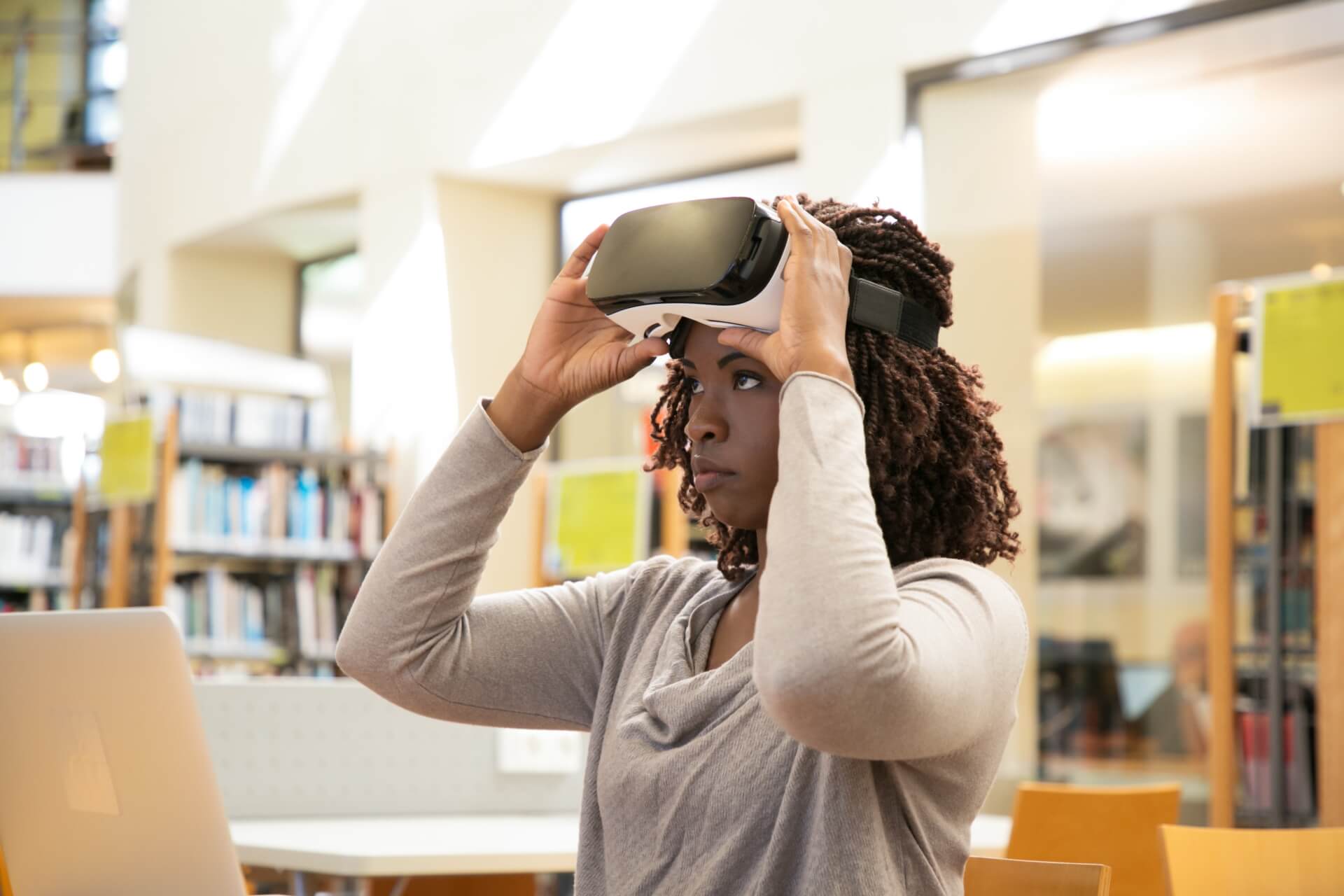
Digital peacebuilding leverages online platforms and communication technologies to connect communities, facilitate dialogue, and build trust. These initiatives can range from simple online forums to sophisticated virtual reality simulations that allow participants to experience conflict from different perspectives.
- Early Warning Systems: Social media monitoring and data analytics can identify and track potential hotspots of conflict, allowing for early intervention.
- Online Dialogue Platforms: Secure platforms facilitate communication between conflicting parties, enabling them to share perspectives and find common ground.
- Educational Resources: Online courses and educational materials promote understanding of conflict resolution, peacebuilding, and related topics.
These digital tools are particularly valuable in areas where traditional peacebuilding efforts are hindered by geographical barriers, political instability, or security concerns.
Humanitarian Technology: Delivering Aid and Supporting Resilience
Humanitarian technology encompasses a wide range of technological solutions designed to improve the delivery of aid, support resilience, and protect vulnerable populations in conflict zones. These technologies include:
- Mobile Communication: Enables aid workers to communicate with affected communities, coordinate relief efforts, and provide critical information.
- Drones and Aerial Imagery: Provides real-time situational awareness, allowing for more efficient distribution of resources and identification of needs.
- Data Analysis: Helps to identify patterns of displacement, vulnerability, and risk, enabling more targeted and effective interventions.
However, the use of humanitarian technology also raises ethical concerns, such as the potential for surveillance, data privacy violations, and the exacerbation of existing inequalities.
Ethical Considerations: Navigating the Challenges of Peace Technology
As peace technology becomes more prevalent, it is crucial to address the ethical considerations that arise from its use. These include:
- Data Privacy and Security: Protecting the privacy and security of data collected through peace technology initiatives is essential to maintain trust and prevent harm.
- Bias and Discrimination: Algorithms and AI systems used in peace technology must be carefully designed to avoid perpetuating existing biases and inequalities.
- Accountability and Transparency: Ensuring accountability and transparency in the development and deployment of peace technology is crucial to prevent misuse and build public trust.
Addressing these ethical considerations requires a multi-stakeholder approach, involving technologists, policymakers, peacebuilders, and affected communities.
The Future of Peace Technology: Towards a More Peaceful World
Peace technology holds immense potential to transform conflict resolution and build a more peaceful world. By leveraging the power of innovation and addressing the ethical challenges that arise, we can create a future where technology is used to promote understanding, prevent violence, and foster lasting peace.
As technology continues to evolve, it is crucial to invest in research, development, and education to ensure that peace technology is used responsibly and effectively. By working together, we can harness the power of technology to create a more just and peaceful world for all.