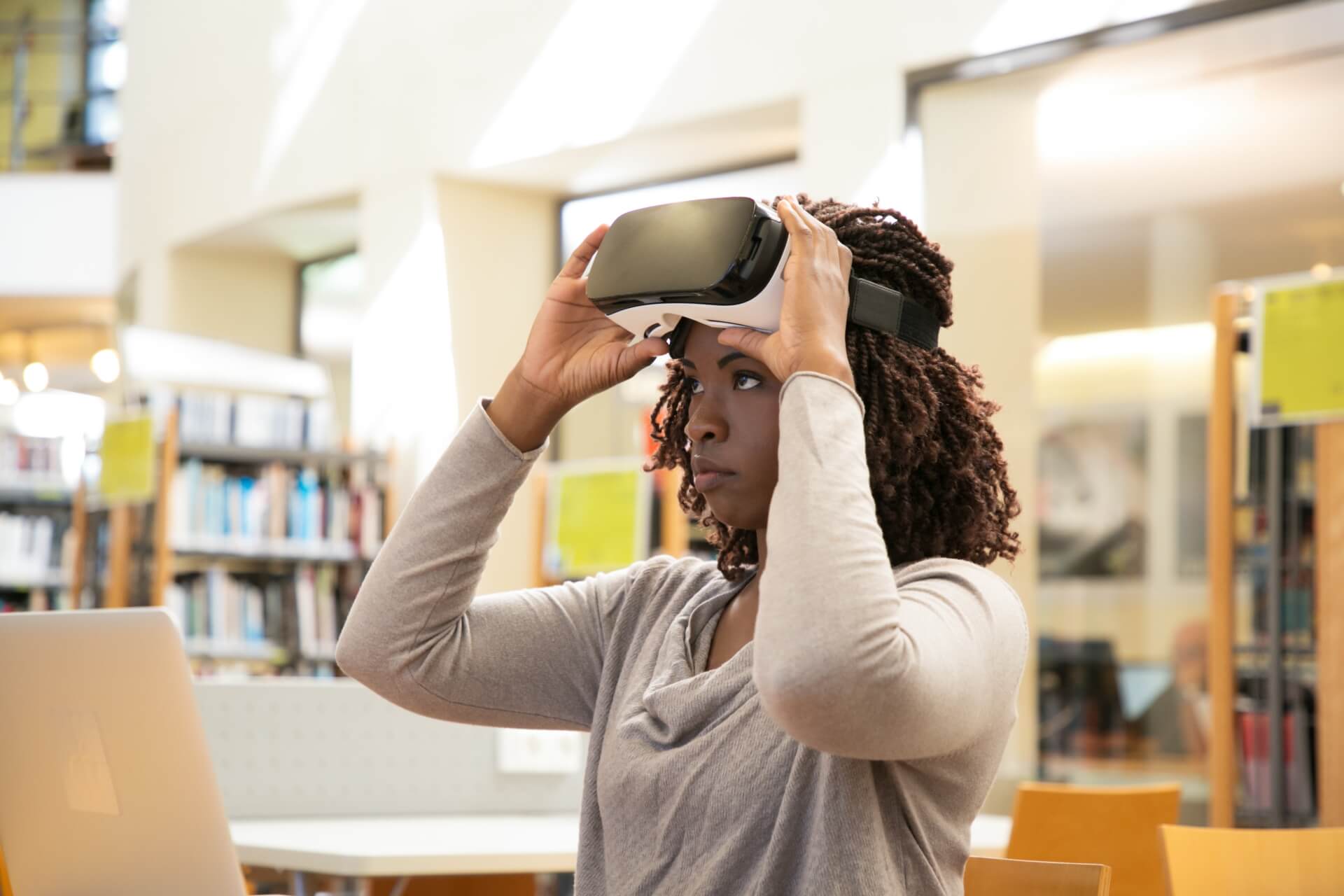

The Psychology of Technology: How Our Use of Gadgets and Apps Affects Our Minds
In today’s rapidly evolving digital landscape, technology has become an inseparable part of our lives. From smartphones and social media to artificial intelligence and virtual reality, technological advancements are transforming the way we live, work, and interact with the world around us. But what is the impact of this constant exposure to technology on our minds and well-being? This article delves into the fascinating intersection of technology and psychology, exploring how gadgets and apps are reshaping our cognitive processes, emotional responses, and overall mental health.
The Double-Edged Sword: Benefits and Drawbacks of Technology on the Brain
Technology offers numerous benefits, enhancing communication, productivity, and access to information. However, excessive or improper use can lead to detrimental effects on our cognitive functions. Here’s a look at both sides of the coin:
- Enhanced Cognitive Abilities: Certain technologies, like brain-training apps and educational games, can improve memory, attention span, and problem-solving skills.
- Improved Communication and Social Connection: Social media platforms and messaging apps allow us to connect with friends and family across geographical boundaries, fostering a sense of community and belonging.
- Increased Access to Information and Learning Opportunities: The internet provides a vast repository of knowledge, enabling us to learn new skills, explore diverse perspectives, and stay informed about current events.
However, the constant influx of information and stimulation can also lead to:
- Reduced Attention Span: The constant stream of notifications and distractions from our devices can make it difficult to focus on tasks requiring sustained attention.
- Impaired Memory: Relying heavily on technology for information storage can weaken our ability to remember facts and details independently.
- Cognitive Overload: The sheer volume of information we are exposed to daily can overwhelm our cognitive capacity, leading to stress, anxiety, and difficulty processing information effectively.
The Impact of Social Media on Emotional Well-being and Self-Esteem
Social media platforms have become ubiquitous, shaping our social interactions and influencing our perceptions of ourselves and others. While social media can facilitate connection and community, it can also have negative consequences for our emotional well-being and self-esteem.
Social Comparison and the “Perfect” Online Persona
Social media often presents a curated and idealized version of reality, leading to social comparison. We tend to compare ourselves to the highlight reels of others’ lives, which can trigger feelings of inadequacy, envy, and low self-esteem.
The Fear of Missing Out (FOMO)
The constant exposure to social events and activities happening elsewhere can generate a sense of FOMO, leading to anxiety and a feeling of being left out. This fear can drive us to compulsively check our social media feeds, further exacerbating the problem.
Cyberbullying and Online Harassment
The anonymity and accessibility of the internet can facilitate cyberbullying and online harassment. These forms of abuse can have severe emotional and psychological consequences, leading to depression, anxiety, and even suicidal thoughts.
Digital Well-being: Strategies for a Healthier Relationship with Technology
Developing a healthy relationship with technology is crucial for maintaining our mental and emotional well-being. Here are some strategies for promoting digital well-being:
- Set Boundaries and Limit Screen Time: Establish specific times for using technology and stick to those limits. Use apps or device features to track and manage your screen time.
- Practice Mindful Technology Use: Be intentional about how you use technology. Ask yourself why you’re reaching for your phone or opening a particular app.
- Create Tech-Free Zones: Designate certain areas of your home, such as the bedroom or dining table, as tech-free zones.
- Prioritize Real-Life Connections: Make an effort to connect with friends and family in person. Engage in activities that don’t involve technology, such as spending time in nature, pursuing hobbies, or volunteering.
- Practice Digital Detox: Take regular breaks from technology to disconnect and recharge. Consider scheduling a digital detox day or weekend.
- Be Mindful of Your Social Media Consumption: Unfollow accounts that make you feel inadequate or trigger negative emotions. Focus on following accounts that inspire and uplift you.
The Future of Technology and the Human Mind: Opportunities and Challenges
As technology continues to evolve, it’s essential to consider its potential impact on the human mind. While technology presents numerous opportunities for enhancing our lives, it also poses significant challenges that we must address proactively.
Understanding the psychology of technology is crucial for navigating the digital age effectively. By being mindful of the impact of gadgets and apps on our minds and well-being, we can make informed choices about how we use technology and create a healthier, more balanced relationship with the digital world.
What are your experiences with technology and its impact on your mind? Share your thoughts in the comments below!