
Virtual and Augmented Reality: How They Will Transform Our Daily Lives and Work
Dive into the transformative potential of virtual and augmented reality as we explore how these immersive technologies are set to revolutionize our everyday experiences and reshape the future of work.
The Rise of Immersive Technology: Understanding VR and AR
Virtual Reality (VR) and Augmented Reality (AR) are no longer just science fiction concepts. They are rapidly evolving technologies poised to disrupt various sectors. VR creates completely immersive digital environments, while AR overlays digital information onto the real world. Both offer unique and compelling ways to interact with information and the environment around us.
Key Differences:
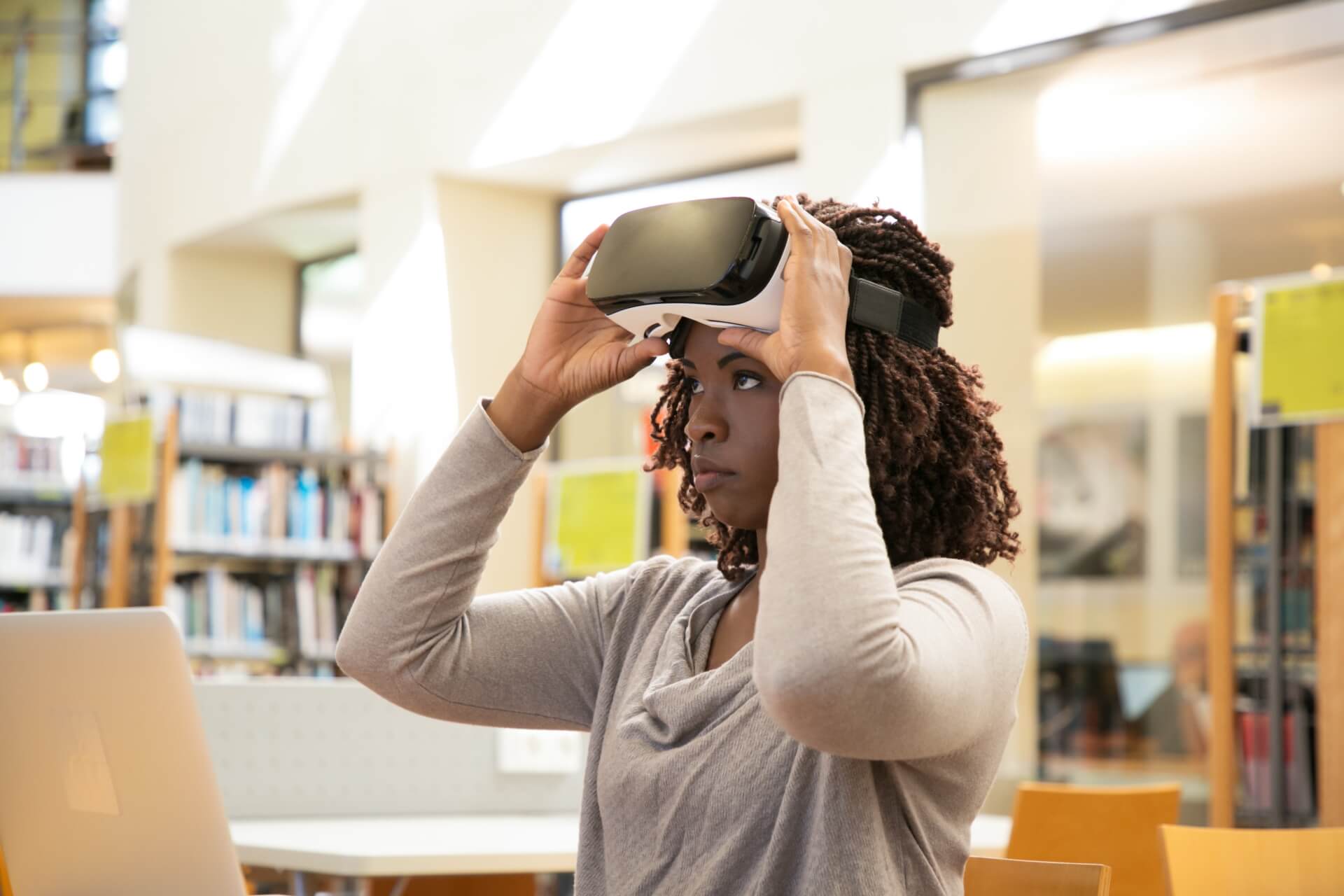
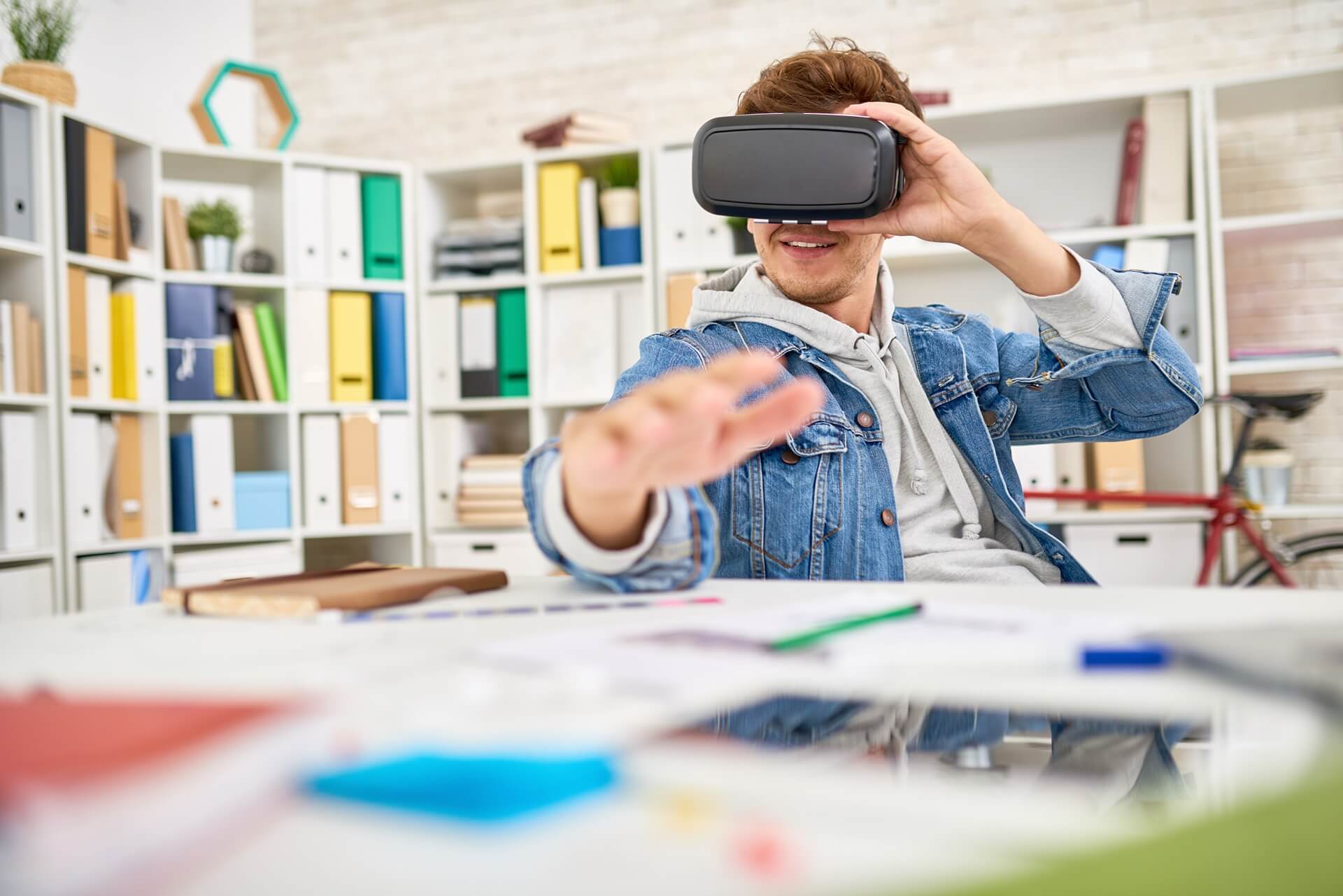
- Virtual Reality (VR): Completely immersive, blocking out the real world. Requires headsets like Oculus Rift, HTC Vive, or PlayStation VR.
- Augmented Reality (AR): Overlays digital content onto the real world. Typically experienced through smartphones, tablets, or AR glasses like Microsoft HoloLens or Magic Leap.
Transforming Daily Life with VR/AR
The impact of VR and AR on our daily lives is already being felt, and this influence will only intensify in the coming years.
Entertainment and Gaming
VR has revolutionized gaming, offering unprecedented levels of immersion. Imagine stepping directly into the game world, feeling the adrenaline rush of a high-speed chase, or exploring fantastical landscapes like never before. AR, on the other hand, enhances the real world with interactive elements, turning ordinary spaces into playgrounds for innovative games like Pokémon Go.
Education and Training
VR and AR offer powerful tools for education and training. Students can take virtual field trips to historical sites, explore the human body in 3D, or practice complex surgical procedures in a safe, controlled environment. AR can overlay instructions and information onto real-world objects, making learning more interactive and engaging.
Retail and Shopping
AR is transforming the way we shop. Imagine being able to virtually “try on” clothes or see how furniture would look in your home before making a purchase. VR can create immersive shopping experiences, allowing customers to explore virtual showrooms and interact with products in new and exciting ways.
Healthcare
VR and AR are finding innovative applications in healthcare. VR can be used for pain management, therapy for PTSD, and rehabilitation. AR can assist surgeons during complex procedures by overlaying vital information onto the patient’s body. These technologies offer the potential to improve patient outcomes and enhance the efficiency of healthcare delivery.
Reshaping the Future of Work with Virtual and Augmented Reality
Beyond personal use, VR and AR are set to revolutionize the workplace, impacting everything from training and collaboration to design and manufacturing.
Remote Collaboration
VR and AR can bridge the gap between remote teams, allowing colleagues to collaborate in shared virtual spaces. Imagine attending a virtual meeting where you can interact with 3D models, share data, and brainstorm ideas as if you were in the same room. This can significantly improve communication and productivity for distributed teams.
Enhanced Training and Skills Development
VR provides realistic and safe environments for training in high-risk industries such as aviation, construction, and manufacturing. Employees can practice complex procedures, handle emergency situations, and develop critical skills without the risk of real-world consequences. AR can provide on-the-job training, overlaying instructions and guidance onto equipment and machinery.
Design and Prototyping
VR and AR allow designers and engineers to visualize and interact with prototypes in 3D. This enables them to identify potential design flaws, test different configurations, and collaborate on projects more effectively. It can also reduce the time and cost associated with physical prototyping.
Manufacturing and Maintenance
AR can assist technicians with complex maintenance and repair tasks by overlaying instructions and diagrams onto equipment. This can improve efficiency, reduce errors, and minimize downtime. VR can be used to simulate manufacturing processes, allowing companies to optimize their operations and train employees in a safe and controlled environment.
Challenges and Opportunities
While the potential of VR and AR is immense, there are still challenges to overcome. These include technological limitations, high costs, and concerns about privacy and security. However, as these technologies continue to evolve and become more accessible, they are poised to transform our daily lives and work in profound ways.
Conclusion: Embracing the Immersive Future
Virtual and augmented reality are revolutionizing the way we live, learn, work, and interact with the world. As these technologies become more sophisticated and accessible, they offer unprecedented opportunities to enhance our experiences, improve our productivity, and create a more immersive and connected future. Are you ready to embrace the possibilities?